Marlin Barista: A Handwritten Font with Timeless Character
There’s a certain warmth that only a truly crafted handwritten font can bring to a design. It’s the difference between a generic template and a piece that feels personal, intentional, and alive. Marlin Barista is a premium font that embodies this quality perfectly. It’s not just another script font; it’s a carefully drawn typeface where every letterform carries a unique, elegant touch, making it a standout choice for projects that demand both beauty and personality.
The Visual Personality of Marlin Barista
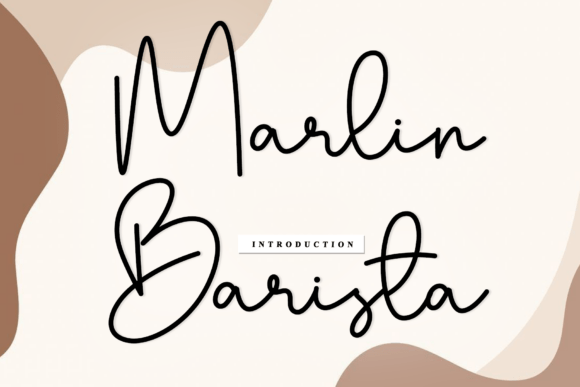
At its core, Marlin Barista is a lovely and timeless handwritten font. Its style sits at a beautiful crossroads—flowing and organic like natural handwriting, yet with a consistency and polish that makes it highly functional for professional design. The strokes have a gentle, balanced weight, avoiding the extremes of being too thin or too bold. This gives it excellent versatility. You’ll notice subtle variations in the letterforms, mimicking the natural pressure and angle of a pen or brush, which is what gives the font its authentic, human feel.
The overall appeal is one of sophisticated charm. It doesn’t scream for attention with wild flourishes; instead, it draws you in with its graceful curves and legible structure. This makes it a creative font that feels both approachable and refined. It’s the typographic equivalent of a well-made artisan coffee—thoughtfully prepared, rich in character, and satisfying to experience. This personality is what makes it a powerful tool in a designer's arsenal for brand identity and visual storytelling.
Where Marlin Barista Truly Shines: Practical Applications
Understanding a font’s strengths is key to using it effectively. Marlin Barista excels in contexts where you want to inject a personal, premium feel without sacrificing readability. Its nature as a display font means it’s designed to capture attention at larger sizes, making it ideal for headlines, logos, and short, impactful text blocks.
- Logo Design & Branding: This is where Marlin Barista truly comes alive. It’s an exceptional choice for creating eye-catching logos for cafés, bakeries, boutique shops, lifestyle brands, wedding planners, and creative studios. The font instantly conveys a sense of craftsmanship, care, and personal service. When used for a brand's primary logotype or a stylized monogram, it helps build a brand identity that feels memorable and authentic.
- Editorial & Packaging Design: In editorial design, think of chapter titles in a cookbook, pull quotes in a magazine, or feature headings in a blog post. In packaging design, it can elevate product labels, gift tags, and box graphics, suggesting a handmade or artisanal quality. It pairs beautifully with clean sans serif fonts for body text, creating a clear visual hierarchy.
- Digital & Social Media: For web design, use it sparingly for key headings or call-to-action buttons to add personality. Where it really excels online is in social media graphics. Instagram quotes, Pinterest pins, Facebook headers, and YouTube thumbnails benefit immensely from its engaging, handwritten style, helping content stand out in a crowded feed.
- Personal & Commercial Projects: Beyond professional use, it’s a fantastic design asset for crafters and hobbyists. Create beautiful wedding invitations, greeting cards, inspirational prints, or personalized stationery. For small business owners, it can be used on business cards, thank-you notes, and promotional materials to add a consistent, personal touch.
Smart Implementation: Pairing, Readability, and Licensing
Using a premium font like Marlin Barista effectively requires more than just liking its look. A thoughtful approach ensures it enhances, rather than hinders, your project.
Font Pairing is Critical. A common mistake is pairing a detailed script font with another decorative typeface. The result is visual chaos. The best practice is to create contrast. Pair Marlin Barista with a simple, geometric sans serif font (like Montserrat or Lato) or a classic, clean serif font (like Lora or Merriweather). This allows the handwritten font to be the star for headlines and accents, while the companion font ensures body text remains highly readable. This principle is fundamental to good modern typography.
Prioritize Readability. While Marlin Barista is designed for legibility, its handwritten nature means it’s best used for short bursts of text. Avoid setting long paragraphs or small body copy in it, as this can strain the reader's eye. Its strength is in display settings: logos, titles, and quotes where its unique character can be appreciated at a glance. Always test your designs at the intended size and on the final medium—whether a phone screen or a printed poster.
Understand the Licensing. As a commercial font, Marlin Barista comes with a license that dictates how you can use it. This is a crucial step many overlook. Before purchasing, review the license details. A standard desktop license typically covers use in logos, printed materials, and static images. If you plan to use the font on a website (via CSS @font-face), you will likely need a separate web license. For using it in digital products for sale (like templates), an extended license might be necessary. Respecting the font designer’s work through proper licensing is not just legal—it’s an ethical practice that supports the creative community.
Ultimately, Marlin Barista is more than just a collection of letters. It’s a versatile typeface with a distinct voice that can elevate a wide range of creative work. By understanding its personality, applying it in the right contexts, and pairing it intelligently, you can leverage this font to create designs that are not only beautiful but also effective and full of character. It’s a valuable addition to any designer’s toolkit, ready to bring a touch of timeless elegance to your next project.